Smarter Energy Use Starts at Home
Discover practical strategies, smart devices, and proven techniques to reduce your electricity consumption, lower your monthly bills, and contribute to a more sustainable future.
Learn More About Us
Discover practical strategies, smart devices, and proven techniques to reduce your electricity consumption, lower your monthly bills, and contribute to a more sustainable future.
Learn More About UsBefore you can reduce your electricity usage, you need to understand where it is going. Most households are surprised to discover how much energy is consumed by everyday appliances and habits.
The average American household spends approximately $1,400 per year on electricity, according to the U.S. Energy Information Administration. Heating and cooling systems account for the largest share of this consumption, typically representing 40 to 50 percent of total household energy use. Water heating, lighting, and major appliances such as refrigerators, washing machines, and dryers make up most of the remainder.
Understanding your home's energy profile is the essential first step toward meaningful reduction. A home energy audit — whether conducted by a professional or through a DIY approach using smart meters and energy monitoring plugs — can reveal which appliances are consuming the most electricity and where inefficiencies exist. Armed with this knowledge, you can make targeted improvements that deliver the greatest return on investment.
Many households also suffer from "phantom loads" or "standby power" — the electricity consumed by devices that remain plugged in even when not in active use. Televisions, gaming consoles, phone chargers, and kitchen appliances can collectively account for 5 to 10 percent of a home's total electricity use when left in standby mode. Simply unplugging devices when not in use, or using smart power strips that cut power automatically, can result in noticeable savings.
The market offers a wide range of devices designed to help households monitor and reduce electricity consumption. Understanding how these technologies work is key to making informed purchasing decisions.
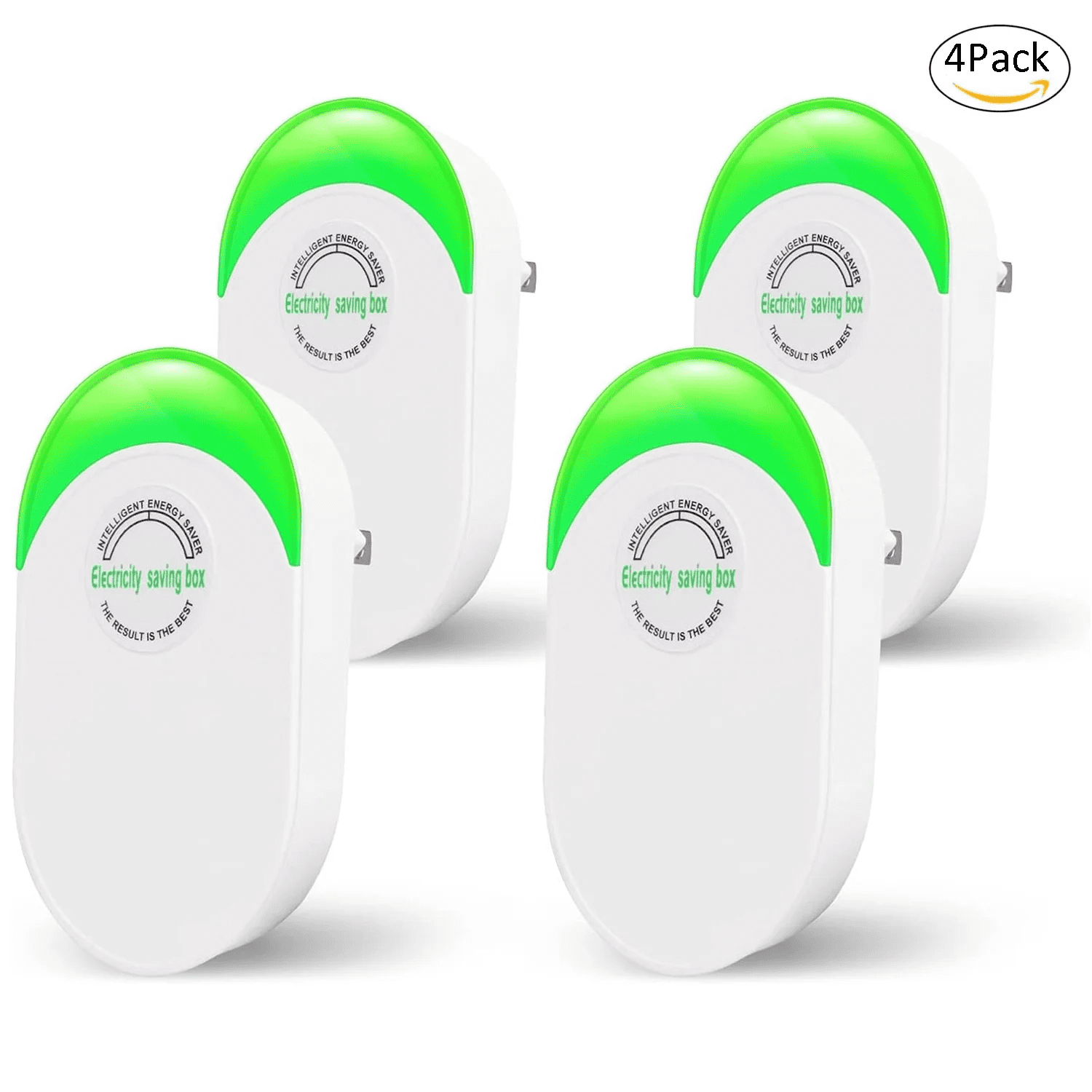
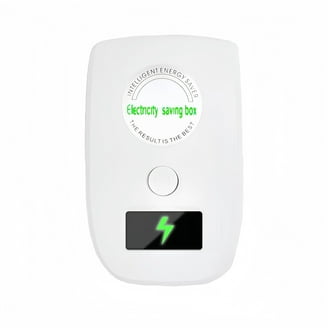
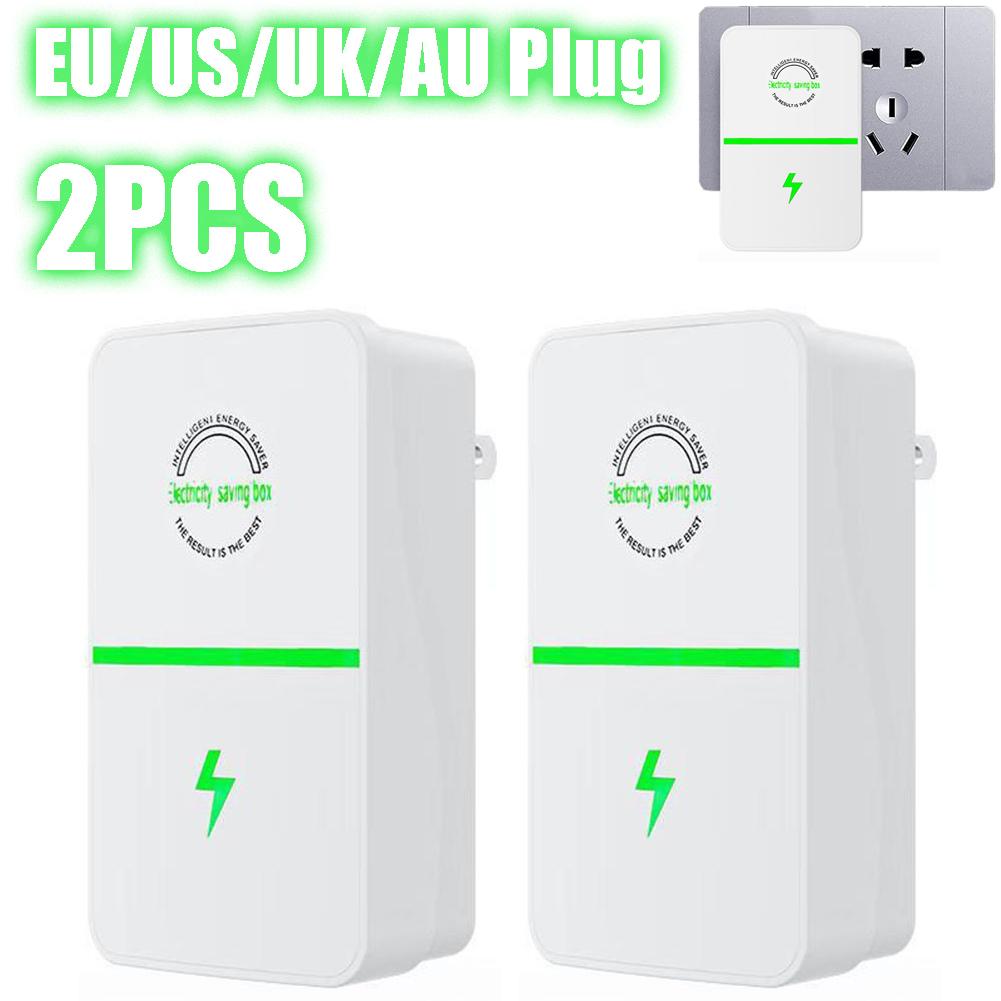
Power factor correction devices, commonly marketed as "power savers" or "electricity saving boxes," are designed to improve the efficiency of electrical systems in residential settings. These devices work by storing and releasing electrical energy to reduce reactive power — the portion of electricity that is drawn from the grid but not converted into useful work. By improving power factor, these devices can theoretically reduce the load on your home's electrical system and decrease energy waste.
It is important to approach claims about power saving devices with a critical and informed perspective. The effectiveness of power factor correction in residential settings is a subject of ongoing debate among electrical engineers and consumer advocates. While these devices can offer measurable benefits in industrial settings where large inductive loads are common, their impact in typical homes — which primarily use resistive loads — may be more limited. We encourage consumers to research thoroughly and consult with a qualified electrician before making a purchase.
Beyond power factor correction devices, there are many other proven technologies that can significantly reduce household electricity consumption. Smart thermostats, LED lighting systems, energy-efficient appliances with high Energy Star ratings, and solar panel installations are among the most impactful investments a homeowner can make. These technologies have well-documented track records and can deliver substantial, verifiable savings over time.
Solar panels and other renewable energy technologies are transforming how households generate and consume electricity, offering long-term savings and environmental benefits.
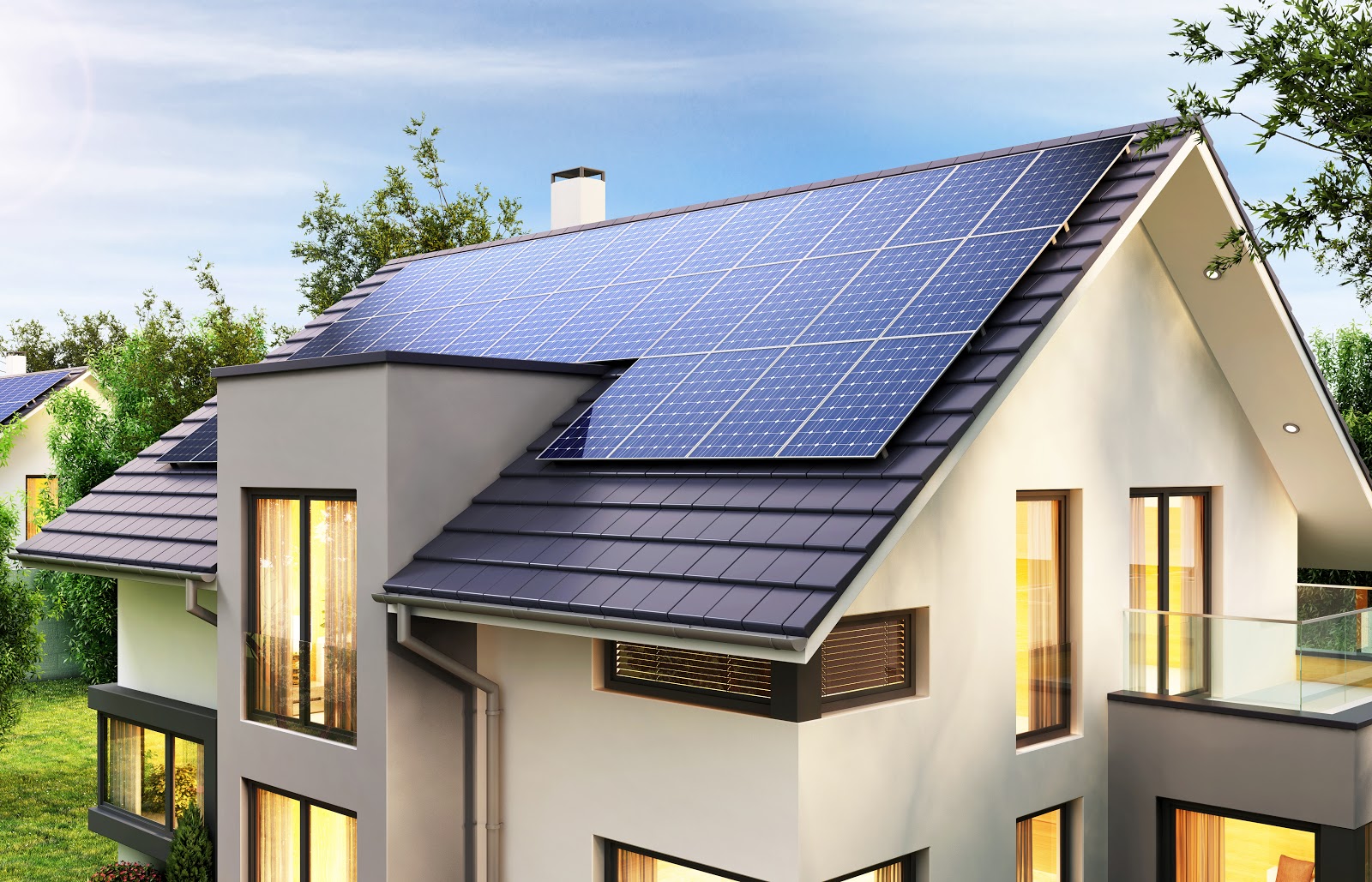
Residential solar panel installations have become increasingly affordable and accessible over the past decade, thanks to falling technology costs, government incentives, and innovative financing options such as solar leases and power purchase agreements. The average payback period for a residential solar system in the United States is now between six and ten years, after which homeowners enjoy essentially free electricity for the remaining 15 to 20 years of the system's lifespan.
Modern solar panels are highly efficient and durable, capable of generating significant amounts of electricity even in regions with moderate sunlight. When combined with battery storage systems, solar installations can provide energy independence, protect against utility rate increases, and even allow homeowners to sell excess electricity back to the grid through net metering programs.
For homeowners who are not yet ready to invest in solar panels, there are many other ways to incorporate renewable energy into their lifestyle. Choosing a green energy tariff from your utility provider, investing in community solar programs, or purchasing renewable energy certificates are all ways to support the transition to clean energy while potentially reducing your electricity costs.
The integration of smart home technology with energy management systems is creating unprecedented opportunities for households to optimize their electricity use automatically and intelligently.
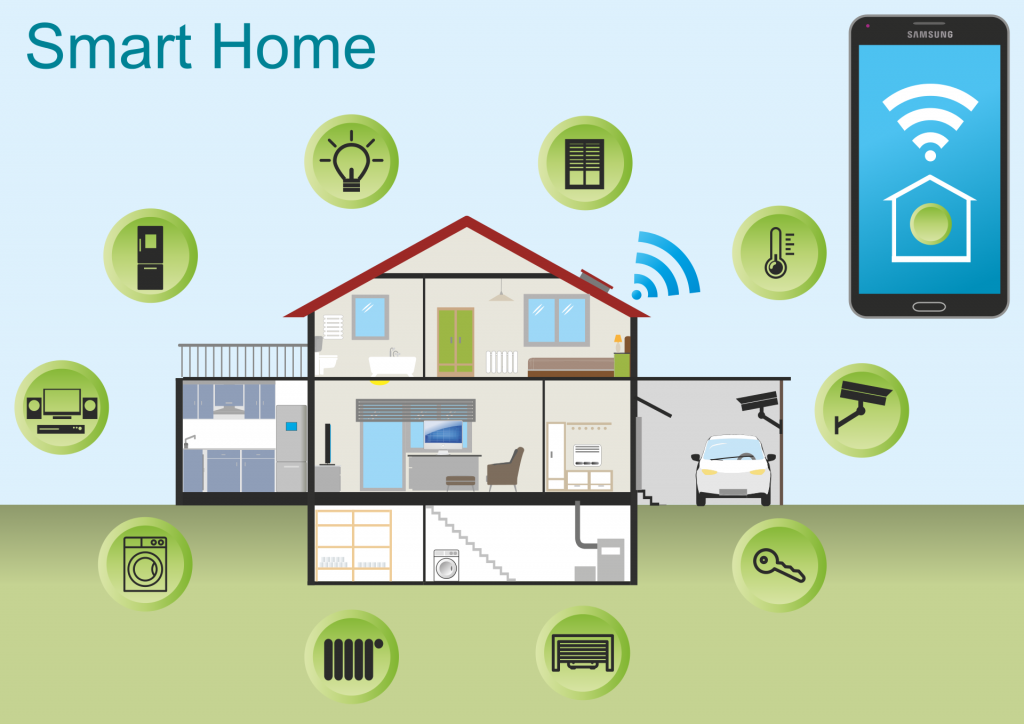
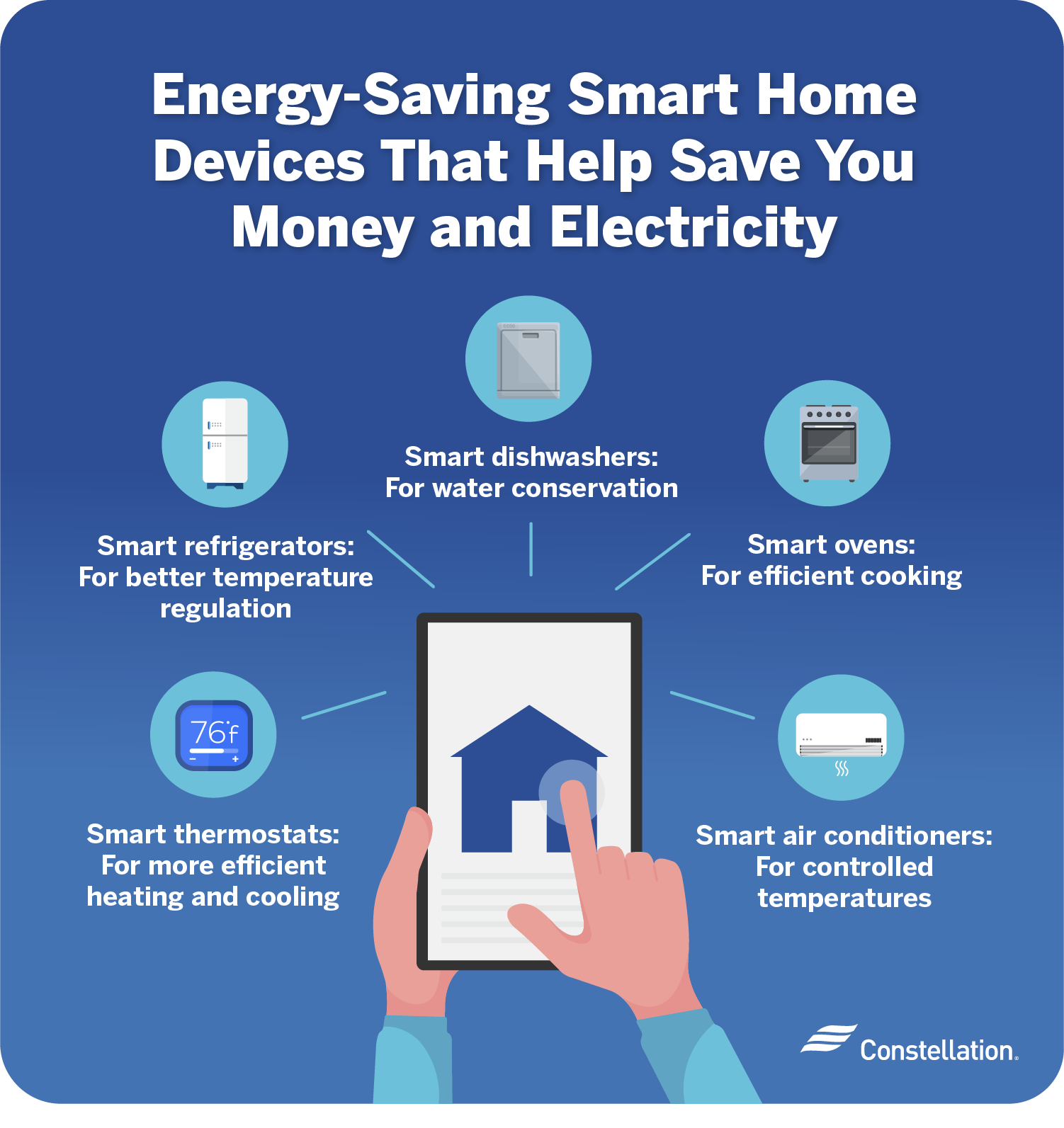
Smart home ecosystems — comprising connected thermostats, smart lighting systems, intelligent appliances, and energy management hubs — enable homeowners to monitor and control their electricity consumption with remarkable precision. These systems can learn your household's patterns and preferences, automatically adjusting settings to minimize energy use without sacrificing comfort.
A smart thermostat, for example, can learn when you typically leave and return home, adjusting heating and cooling schedules accordingly to avoid conditioning an empty house. Some models can even respond to real-time electricity pricing signals from utilities, automatically shifting energy-intensive tasks to off-peak hours when electricity is cheaper and the grid is less stressed.
Smart lighting systems with motion sensors, daylight harvesting capabilities, and remote control functionality can reduce lighting energy consumption by 50 to 70 percent compared to traditional incandescent bulbs. When combined with LED technology, which itself uses 75 percent less energy than incandescent lighting, the savings are substantial. Smart power strips and smart plugs add another layer of control, allowing you to monitor the energy consumption of individual devices and set schedules or rules to prevent unnecessary standby power draw.
These core principles form the foundation of effective household energy management, applicable to homes of all sizes and types.
HVAC systems are the largest energy consumers in most homes. Regular maintenance, proper insulation, programmable thermostats, and strategic use of natural ventilation can dramatically reduce heating and cooling costs throughout the year.
Replacing all incandescent and fluorescent bulbs with LED equivalents is one of the most cost-effective energy upgrades available. LEDs use up to 90 percent less energy, last 25 times longer, and produce significantly less heat, reducing cooling loads in summer.
Standby power from electronics and appliances left plugged in can account for a significant portion of your electricity bill. Using smart power strips, unplugging unused devices, and enabling power management settings on computers and televisions can eliminate this waste.
A well-insulated home requires far less energy to heat and cool. Sealing air leaks around windows, doors, and utility penetrations, and adding insulation to attics, walls, and floors, can reduce heating and cooling costs by 10 to 20 percent or more.
When replacing major appliances such as refrigerators, washing machines, dishwashers, or water heaters, choosing models with high Energy Star ratings can significantly reduce your ongoing electricity costs. The energy savings over the appliance's lifetime often far exceed any price premium.
Installing a whole-home energy monitor or using smart plugs with energy monitoring capabilities gives you real-time visibility into your electricity consumption. This awareness is a powerful motivator for behavior change and helps identify the highest-impact opportunities for savings.
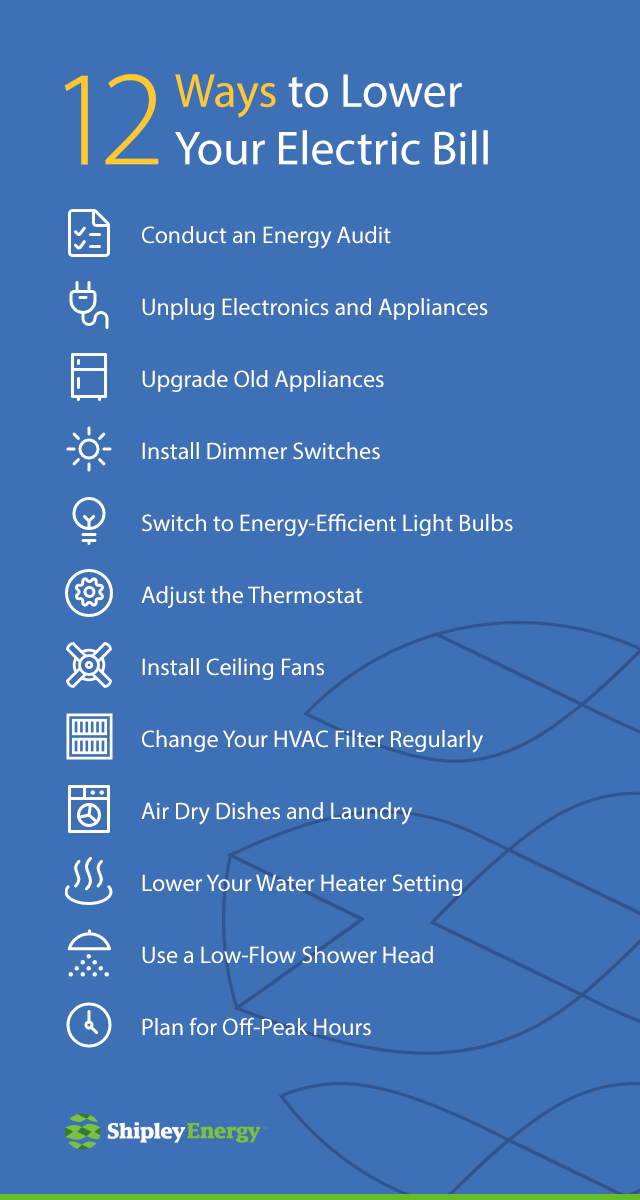
You do not need to invest in expensive technology to start saving energy. These practical, low-cost or no-cost actions can make a meaningful difference starting today.
From smart devices to renewable energy solutions, explore the technologies and strategies that are helping households around the world reduce their energy footprint.